
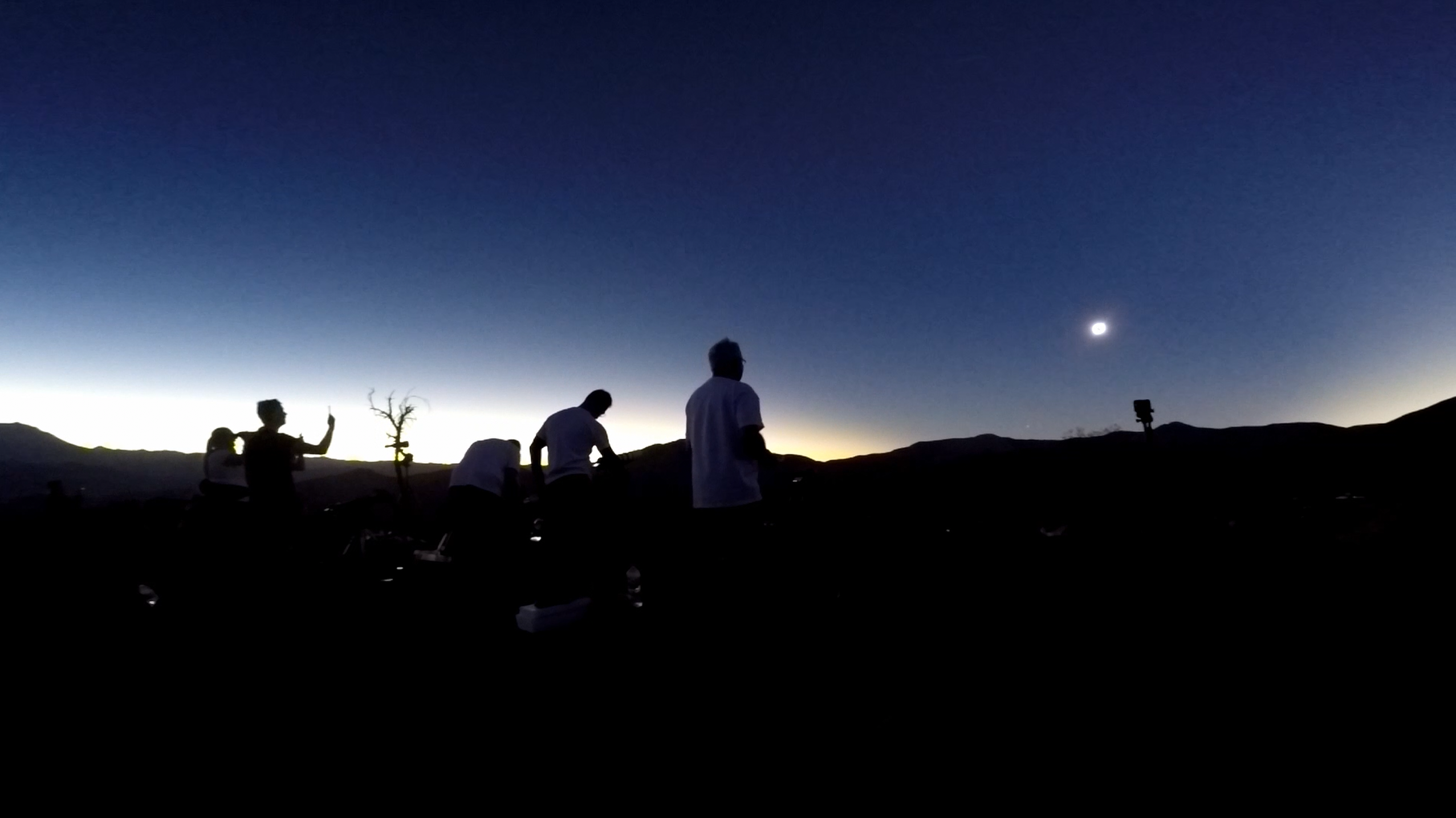
If you’ve read my previous posts, you probably know that I started my journey with stratospheric flights back in 2019. Since then, I’ve had the opportunity to fly several times. The electronics mostly remained the same, while the algorithms evolved over time. I can’t say these flights ever became routine for me because each one has always been a major event for me. But now it’s time for something even more ambitious
The goal is to record the eclipse from an altitude of around 30 km (or maybe even higher) as part of the continuation of the STAN program (Stratospheric Testing and Analysis Nacelle). This mission will be called STAN TWO. You can read about the previous STAN ONE project in the Projects section on my blog.

To achieve this goal, a new payload is currently being prepared. It will carry a 360-degree camera and a standard GoPro camera (although there’s a good chance that two GoPros will fly). Of course, the mission will also include sensors and modules for collecting environmental and technical data. These can be divided into two categories:
- Previously tested and proven solutions
- Internal and external temperature measurements
- Internal and external humidity measurements
- Pressure measurements
- Three-axis force measurements
- Real-time clock used for microcontroller logic control
- SD card data logging
- New solutions and experimental additions
- A LoRa communication module operating on the license-free 868 MHz band. The goal is to receive telemetry packets containing transmission time, GPS coordinates, and payload altitude. If time allows, I’d also like to create an application capable of generating a 3D flight path visualization using the Google Earth API. More details and communication range tests will be covered in a separate post.
- A GPS module used both for SD card data logging and for cooperation with the LoRa module mentioned above. While GPS itself is nothing groundbreaking, I simply didn’t use it during previous missions.
- My own Geiger-Müller counter project for radiation measurements. The core element will be the STS-5 tube which is probably one of the most popular and easiest tubes to obtain and capable of measuring medium and strong beta radiation as well as a wide spectrum of gamma radiation. I’ll also prepare a separate article dedicated to this sensor.


Finally, I’d like to add that this project represents a huge leap forward compared to my previous flights. In one of my earlier blog posts, I wrote that my first stratospheric flight was once the peak of my dreams. But I believe there’s no point in standing still and you should keep moving forward and aim even higher.
This project requires significantly more work and energy. Of course, there’s always a chance that something may go wrong. But on the other hand – nothing ventured, nothing gained. I’ll do my absolute best to make this mission a success, and I’d like to share that journey with you through future blog posts.
Stay tuned for more updates about the project and see you in the next post!